

Pakistan Has a Confidence Problem
Sincerely, A Pakistani

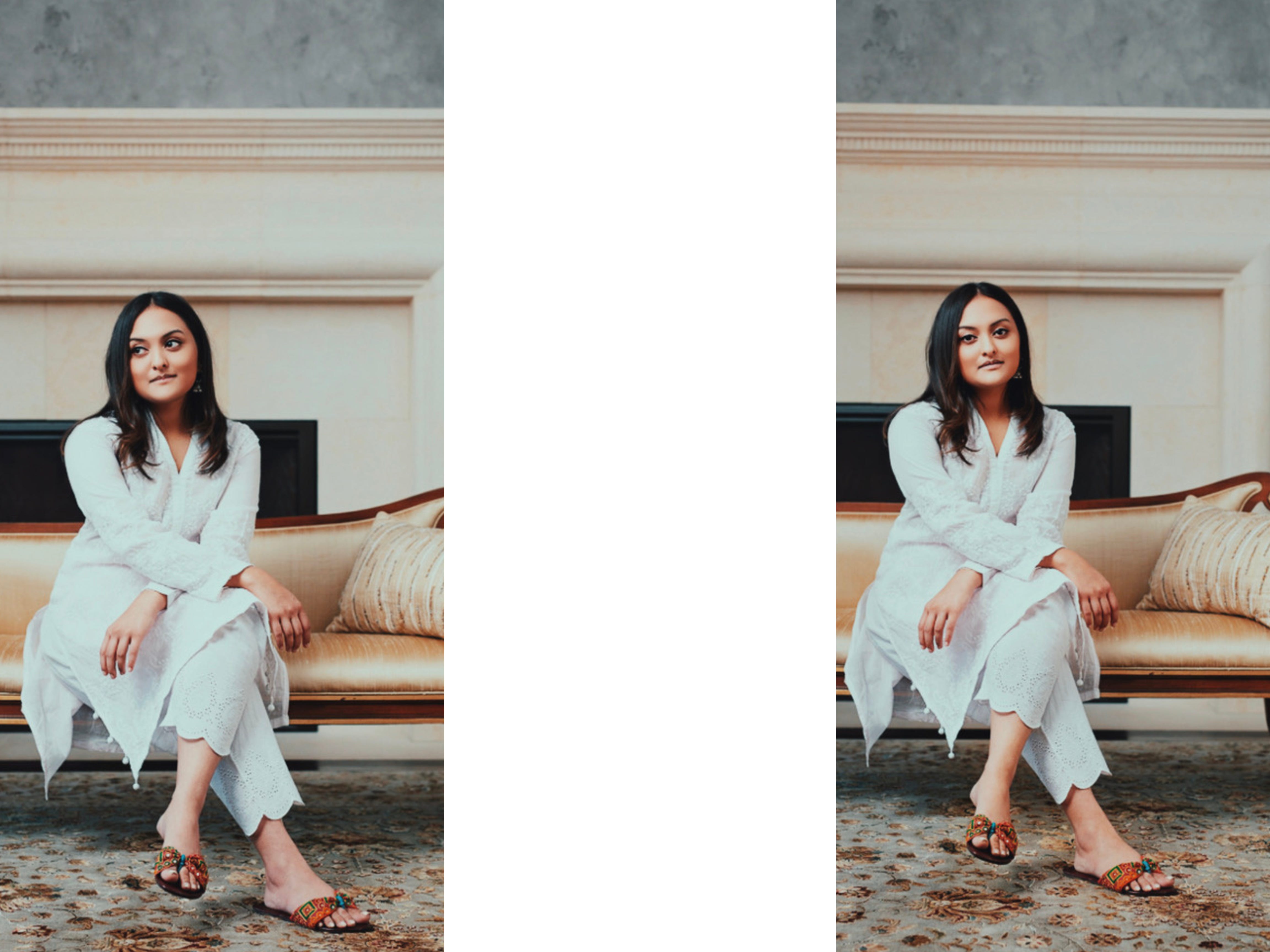
There are many things I am proud of, but my identity will always come first. I am incredibly proud to be Pakistani. I am proud of our culture, our resilience, our humor, our hospitality, our ambition, our intelligence, our family values, and the way we can make a home for ourselves anywhere in the world. The undeniable reality is that our country is home to so much beauty that it deserves to be celebrated.
Perhaps I am biased, but there is something deeply frustrating about watching one of the most resilient, intelligent, and resourceful groups of people constantly underestimate and belittle themselves.
Here is what no one tells you about us. We can walk into almost any environment in the world and adapt to it. We are ambitious. We are quick thinking. We are emotionally intelligent. We are hardworking. We are socially aware. Yet despite all our merits, there is still this underlying insecurity woven into our society.
Which is this: Pakistan has a confidence problem.
And no, I am not saying this in the context of loud arrogance. If anything, we are not lacking pride. We are overflowing with it. We defend our food, our weddings, our hospitality, our cricket team, our dramas, and our culture. At our core, we are deeply emotional and passionate people.
But pride and confidence are different. Our nation needs more genuine confidence, not just pride.
You see it everywhere.
The obsession with what the West thinks about us. The constant comparisons to India. The way people abroad sometimes distance themselves from their own identity before slowly reclaiming it later. The way we criticize each other is more harshly than outsiders ever would. The way we act is surprising every single time someone from our country succeeds internationally, as if excellence from here is somehow unexpected.
As an insider, it saddens me because it feels like we are constantly waiting for permission to fully believe in ourselves.
And I think part of this timidity stems from a country constantly associated with instability, corruption, political chaos, terrorism, economic uncertainty, and negative headlines. When the global narrative surrounding your homeland is overwhelmingly pessimistic, eventually, people internalize it, even subconsciously.
For instance, a report published by Gallup over a decade ago found that “In May 2011, about one in five Pakistanis said they would like to move permanently to another country if they had the opportunity, rather than continue living in Pakistan.”
And as difficult as it is to admit, there is truth to that sentiment.
I grew up hearing two stories at once around the dinner table, during chai time, and in brief snippets throughout my day-to-day life.
The first is that this country is not only special, but also resilient and beautiful. We are known not only for our diverse landscape, but also our vibrant culture, rich culinary scene, and legendary hospitality. The end of these stories often sounded something like this: “However things may be, at the end of the day, this is our country. It is our home.”
The second is that there is no future here. Its state-sanctioned approach toward religion and militarized extremism, the suppression of civil and human rights, widespread economic instability, and the military’s disproportionate influence over the civilian government have left the nation in ruins.
I have heard both these narratives throughout my life. It creates a contradiction. You become defensive about your identity while secretly doubting it.
I think this contradiction defines many of us, especially those in the diaspora. There is a reason so many people abroad become hyper-aware of how they present themselves. They often feel like unofficial representatives of their homeland. I have seen it at academic and professional conferences, at iftars, and at fundraising events.
While it sometimes irritates me, I understand it. You want to succeed not just for yourself, but for something larger. In a world where your country is often overlooked, you want to prove that people from here are intelligent, sophisticated, modern, capable, and hardworking.
While that pressure creates ambition, it also creates deep insecurity, which I do not think enough people are willing to talk about.
And, frankly, sometimes we are our own worst enemies.
No one critiques us more than we critique ourselves. We are incredibly judgmental toward one another. About success. About class. About careers. About education. About appearances. About how “Western” someone is or whether someone is “too traditional” or “too liberal.” Sometimes it feels like we are constantly policing one another instead of uplifting each other.
When I look at other minority communities, especially here in the United States, I often see the opposite. I see communities that understand the power of collective support. They network aggressively, promote one another, open doors for each other, and celebrate each other loudly.
We, on the other hand, sometimes hesitate to fully support one another because there is this underlying fear of scarcity, as if someone else succeeding somehow diminishes your own chances.
This country has never lacked talent. It has lacked belief.
When you look at the diaspora globally, the talent is undeniable. Doctors, entrepreneurs, academics, creatives, finance professionals, engineers, journalists, lawyers, artists, and founders. The list could go on forever.
Some of the smartest people I have ever met are Pakistani.
And despite coming from a country that has faced so much political and economic instability, we continue to succeed wherever we go. At the end of the day, we are not weak. We are adaptable. I do not think we fully understand how resilient we really are.
There is also something uniquely entrepreneurial about our community that rarely gets discussed. We know how to survive. We know how to hustle. How to rebuild. How to navigate uncertainty. You almost have to become resourceful growing up around instability.
But confidence is not just survival. Confidence is believing you deserve space in the room before someone else grants it to you. And I think many of us are still learning that.
I actually think the diaspora is beginning to shift this mindset. They are more expressive. More global. More self-assured. They are embracing their culture without feeling the same level of shame or defensiveness that previous generations sometimes carried.
You see it in fashion. Media. Business. Social media. Creative industries. People are no longer trying to erase their identity to fit in. They are incorporating it confidently.
That matters.
Because confidence changes how people move through the world. And this country deserves more confidence. Not blind nationalism. Not denial. Not pretending problems do not exist. There is no doubt that we have real issues that deserve criticism and accountability.
But there is a difference between critical thinking and chronic self-belittlement. A country cannot evolve if its own people constantly speak about themselves as if they are doomed.
We know how to rebuild after disappointment. We know how to survive uncertainty. We know how to create beauty in chaos.
But I think we have spent so long defending ourselves that many have forgotten how to genuinely believe in themselves.
And maybe that is the shift that needs to happen next if we ever want to see a more prosperous future.