
No One Knows How to Dress Anymore; And it Shows
The Death of Personal Style

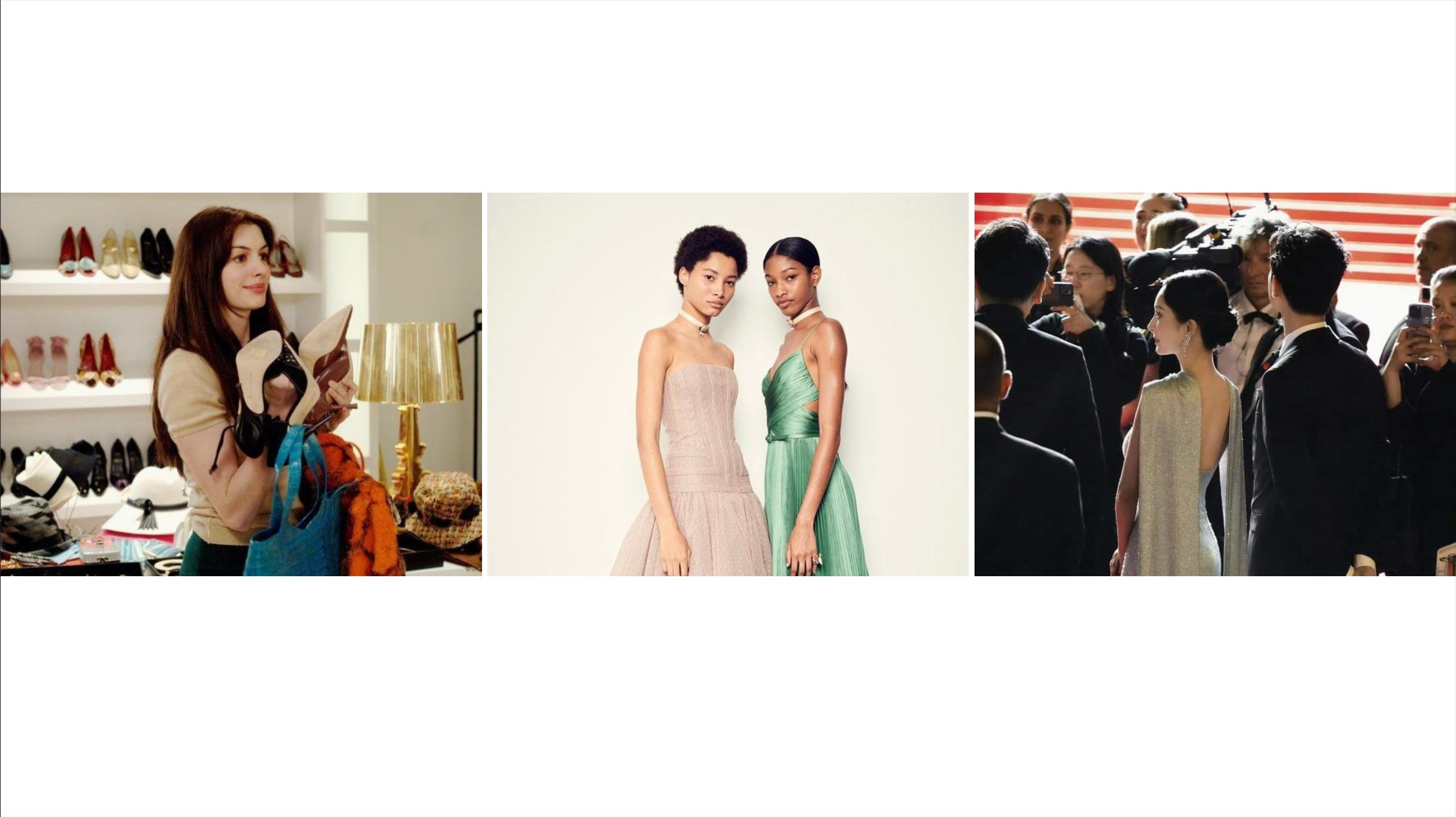
Lately, fashion has started to feel like a scavenger hunt. Everywhere I go, it feels like everyone is dressed the same way, just in different fonts. It feels like every few weeks, the internet becomes obsessed with a particular ‘aesthetic’ (e.g., clean girl, streetwear, old-money, indie sleaze revival, gorepore, and whatever new trend the fashionistas on TikTok begin to deem as important).
One could argue that we are living in the most stylistically diverse era of fashion. We are no longer limited to one fashion trend at a time. Given that we live in a globalized society, international fashion trends from Barcelona, Milan, Tokyo, New York, and even Paris have allowed many to curate a more individualized closet tailored to their personal preferences.
Every time I leave my apartment in Northwest Washington, D.C., whether for class or errands, I notice a trend I dislike: repetition.
No matter where I am in the world, everyone looks the same, and, frankly, it is really sad.
Different people, cities, and personalities; same outfit, same logic, same references.
On social media, everyone is trying so hard to fit a certain aesthetic to look a certain way, just to be accepted by a certain group of individuals. It feels like every time I open TikTok or Instagram, there is a certain demographic following trends and trying out a new aesthetic. While it is fun in games, personally, I find it very disturbing.
Why? I am glad you asked. Copying trends undermines fashion’s purpose: it is a powerful, nonverbal tool for self-expression, allowing individuals to showcase personality, values, moods, and creativity without speaking.
I am fully blaming social media. Various online platforms and algorithms have made fashion less about discovery and more about distribution. A look is no longer something you develop over time; it is something you purchase.
In the world of the internet, a simple reference spreads, gets optimized, and becomes instantly legible. Once it becomes legible, it becomes replicable, and once it becomes replicable, it becomes everywhere.
That is how we end up with hundreds, if not thousands, of people wearing different versions of the same outfit, and acting like they know fashion (newsflash, they don’t, they are just a byproduct of capitalism and mass consumerism).
For example, a few months ago, Love Story, a Ryan Murphy-produced biographical romantic drama anthology series, focused on the high-profile romance in 1990s New York between John F. Kennedy Jr. and his wife, Carolyn Bessette Kennedy. Within just a few days of the show’s release, everyone and their mother was obsessed with CBK’s style, specifically her minimalist approach to fashion. People were not only trying to emulate her wardrobe choices but also sought to adopt her overall aesthetic and mannerisms.
I remember walking into a French pharmacy in Georgetown to restock some of my favorite French skincare products. While I was shopping, I saw some girls around my age holding a pixelated photo of Carolyn Bessette Kennedy (CBK) and searching for a tortoise headband to recreate her look.
Every basic influencer from A to Z suddenly ditched chunky jewelry and bright colors, and everyone was dressing like different versions of CBK. Ditching their Chanel ballet flats (that is sooo summer’24) for leather loafers. Who needs baggy pants when you can wear a nice ciagreete-style darkwash jean, and who the hell needs blouses when you can just wear a nice, simple black or white structured tee?
The outfit in itself seems fine, but how it was executed was not. Suddenly, CBK was the style of February-March 2026. She was the aesthetic. (Yes, it has gotten this bad that we are now impersonating a dead person).
This is the problem many people seem to run into time and time again, and it seems to be hurting their personal style.
They choose which photographs work well, which signals ‘taste’ without requiring too much explanation or attention. They ask themselves whether the outfit fits into a recognizable category. attractive? current? Put together?
If yes, then ding-ding, you have ‘style’ so to speak.
The irony is that instead of fostering infinite self-expression, this produces the opposite: a narrowing field of acceptable variation. A soft uniformity, enforced from above, but arrived at collectively.
The sad part is that we didn’t just lose style, we outsourced it. Everything feels mass-produced now, like a herd of sheep. No one sparks for individuality anymore. No one goes digging through their closet or delving into the depths to find their style.
Instead, what do they do? They go to multinational conglomerate stores such as Zara, H&M, Shein, ASOS, and FashionNova. Just so they can be in on the latest fashion trends. I ask myself every time I see myself trying to figure out my fashion, why can’t we promote consignment stores? 9/10 times, the quality is just so much better. It is more sustainable, and it just makes you feel like you are fighting for your style (which is important).
I, for one, am trying to avoid standing out in the wrong way; people end up standing out in the same way. Fashion has never been about fitting in. Quite the opposite, actually. Fashion is about dressing for yourself. Sadly, somewhere along the way, those statements have become blurred by the pressure to look instantly legible.
Here is my message: Fashion is about choosing what you wear for yourself, not questioning whether it fits in. Clothes should reflect our identity, not seek approval.