



Okay, so for some of us, air travel across international waters isn’t really our thing, so naturally, how do we find the time to watch movies? From a young age till now, I have always been enamored by romantic comedies. When I was thirteen, there was always something magical about them. The grand gestures, the witty banter, inevitable happy endings, and the comforting belief that love somehow always finds itself home.
Give me The Devil Wears Prada, How to Lose a Guy in 10 Days, Bride Wars, 13 Going on 30, Bridget Jones Diary, The Holiday, and I will happily spend two hours on the couch pretending that I have nothing better to do with my life.
If you ask me, there is something so comforting about 2000’s romantic-commedy films. They are predictable, deeply nostalgic, and somehow manage to make us believe that everything will work out in the end.
But every once in a while, I rewatch one of my favorite movies and find myself asking the same question I never considered the first time around.
Why the hell did we think this movie was even romantic?
This is exactly the reaction I had when I rewatched 27 Dresses both times. Once when going to Istanbul, and the other when I was coming back home on my return flight to Denver.
Here are my critiques:
1. Marriage is portrayed as the ultimate goal for women.
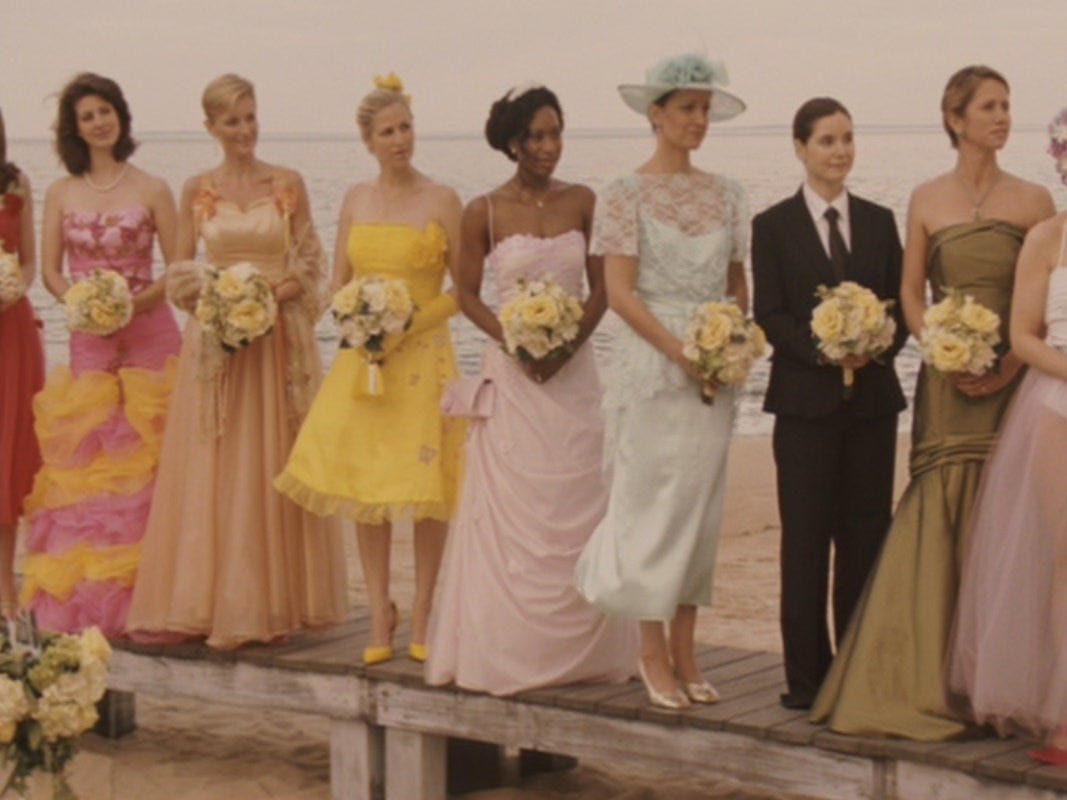
While there is nothing wrong with marriage, the plot continuously portrays marriage as the ultimate goal for women. Nearly every major storyline revolves around engagements, weddings, or the pursuit of romantic fulfillment, leaving little room for conversations about career ambitions, personal growth, or individuality. Jane’s entire identity becomes intertwined in helping other women achieve their happily ever after. At the same time, her own happiness seems dependent on finding a husband. It seems like the film subtly reinforces the outdated idea that a woman’s life is incomplete until she finds “the one.” Watching it today, it feels less like a celebration of love and more like a reminder of how often women’s identities were once defined by their relationship status.
2. George Is a Walking Red Flag
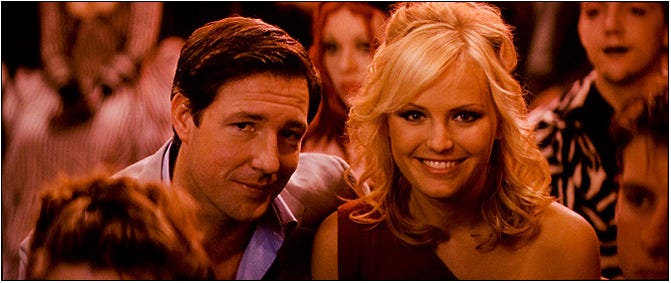
For most of the film, he is completely oblivious to Jane despite relying on her loyalty and kindness whenever it benefits him. Rather than taking the time to truly know her, he falls for her younger sister, Tess, after being presented with a carefully crafted version of who she is. He is more captivated by the image of Tess than by her actual character, and he barely questions the inconsistencies in her stories. George also fails to recognize the emotional labor Jane has invested in both his life and his company for years. While the film portrays him as charming and desirable, he comes across as emotionally unavailable, superficial, and remarkably unaware of the woman who has been standing beside him all along. Frankly, Jane deserved better.
3. Jane Is the Problem, Too
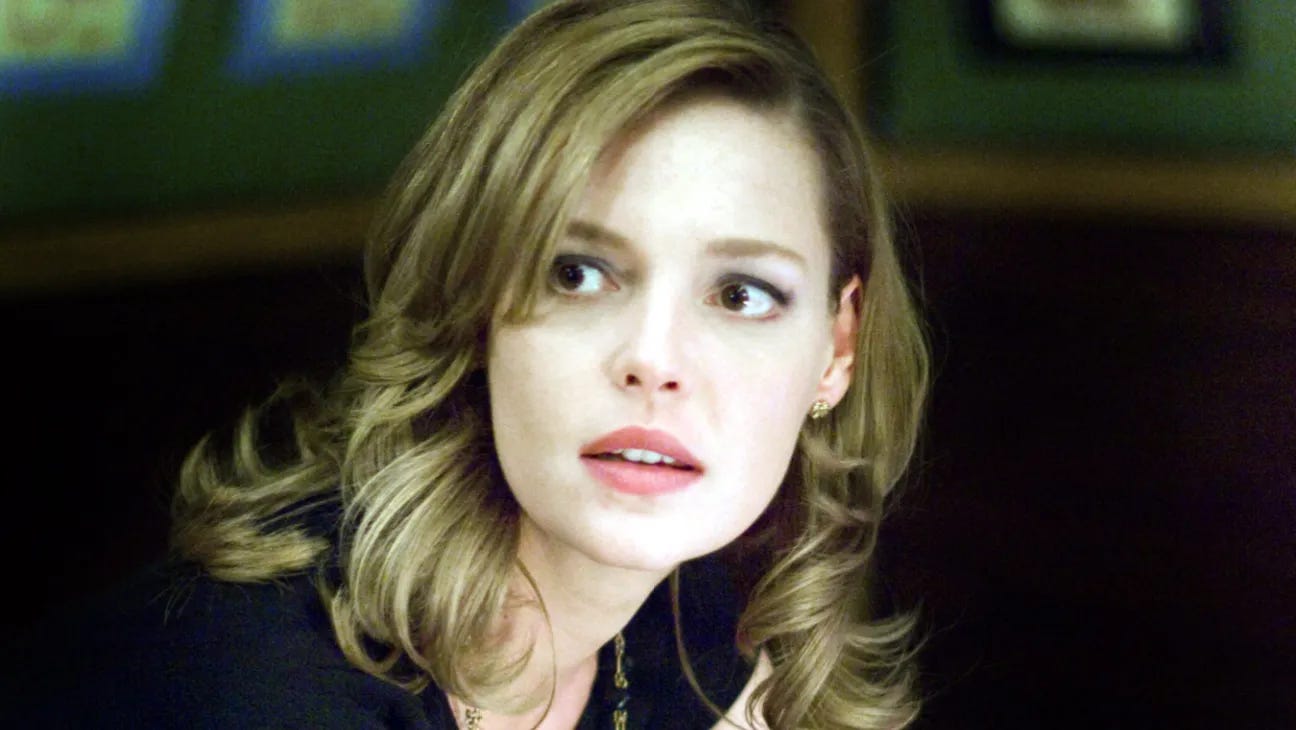
As much as I sympathize with Jane, she is also part of the problem.
Jane is the definition of a people pleaser. She spends the entire film putting everyone else’s needs before her own, rarely speaking up for herself or establishing healthy boundaries. She says “yes” when she wants to say “no,” suppresses her own feelings to avoid conflict, and quietly hopes that one day her sacrifices will finally be noticed and appreciated. While the film presents these qualities as admirable, I found them more frustrating than inspiring. There is a difference between being kind and constantly neglecting yourself, and Jane repeatedly crosses that line. Her biggest obstacle is not George or Tess. It is her inability to advocate for herself. Fortunately, by the end of the film, she begins to realize that being a good person does not require sacrificing her own happiness.
4. Kevin Is the Antagonist Who Becomes the Hero

One of the most interesting aspects of 27 Dresses is that Kevin is initially positioned as the antagonist of the story. When we first meet him, he is not Jane’s savior. He is someone who exploits her vulnerability for his own career advancement. As a wedding reporter, Kevin sees Jane not as a person, but as a story. He uses her personal life and her collection of bridesmaid dresses as a source for his article without considering how humiliating or invasive it might feel for her.
What makes this complicated is that the movie eventually asks us to view Kevin as the person who truly understands Jane. However, the foundation of their relationship begins with him exposing something deeply personal about her without her consent. While Kevin later challenges Jane to stop hiding behind her role as everyone’s helper, his initial actions raise questions about whether the film excuses behavior from a charming male character that would be criticized if the roles were reversed.
In many ways, Kevin’s character represents another romantic comedy trope: the man who sees a woman’s flaws, calls them out, and ultimately “saves” her from herself. But Jane’s growth should not come because a man finally recognizes her value. It should come from her recognizing her own.
5. Tess Is Boring, But the Movie Lets Her Off Too Easily

Tess is arguably one of the most frustrating characters in 27 Dresses because she represents the opposite extreme of Jane. While Jane spends her life giving too much of herself, Tess takes too much from others. She is selfish, dishonest, and willing to manipulate situations to get what she wants.
The most problematic part of Tess’s storyline is the way she pursues George despite knowing Jane’s feelings for him. She does not simply fall in love with him; she actively constructs a false version of herself to appear more compatible with him. She lies about her interests, personality, and values, essentially creating a persona designed to win his affection.
What makes this especially complicated is that the film eventually gives Tess a relatively easy redemption arc. While Jane spends the majority of the movie carrying emotional pain and learning to stand up for herself, Tess faces fewer consequences for hurting her sister. The movie quickly moves past the betrayal, leaving viewers to question whether Jane was expected to forgive too easily simply because she was the “good sister.”
Tess also highlights an uncomfortable dynamic often seen in romantic comedies: women are frequently placed in competition with one another for male attention. Instead of exploring why Jane and Tess have such different relationships with validation, the film turns them into opposites, the selfless woman and the desirable woman, and makes romance the prize they are fighting over.
6. The Film's Obsession With Weddings Rather Than Marriage
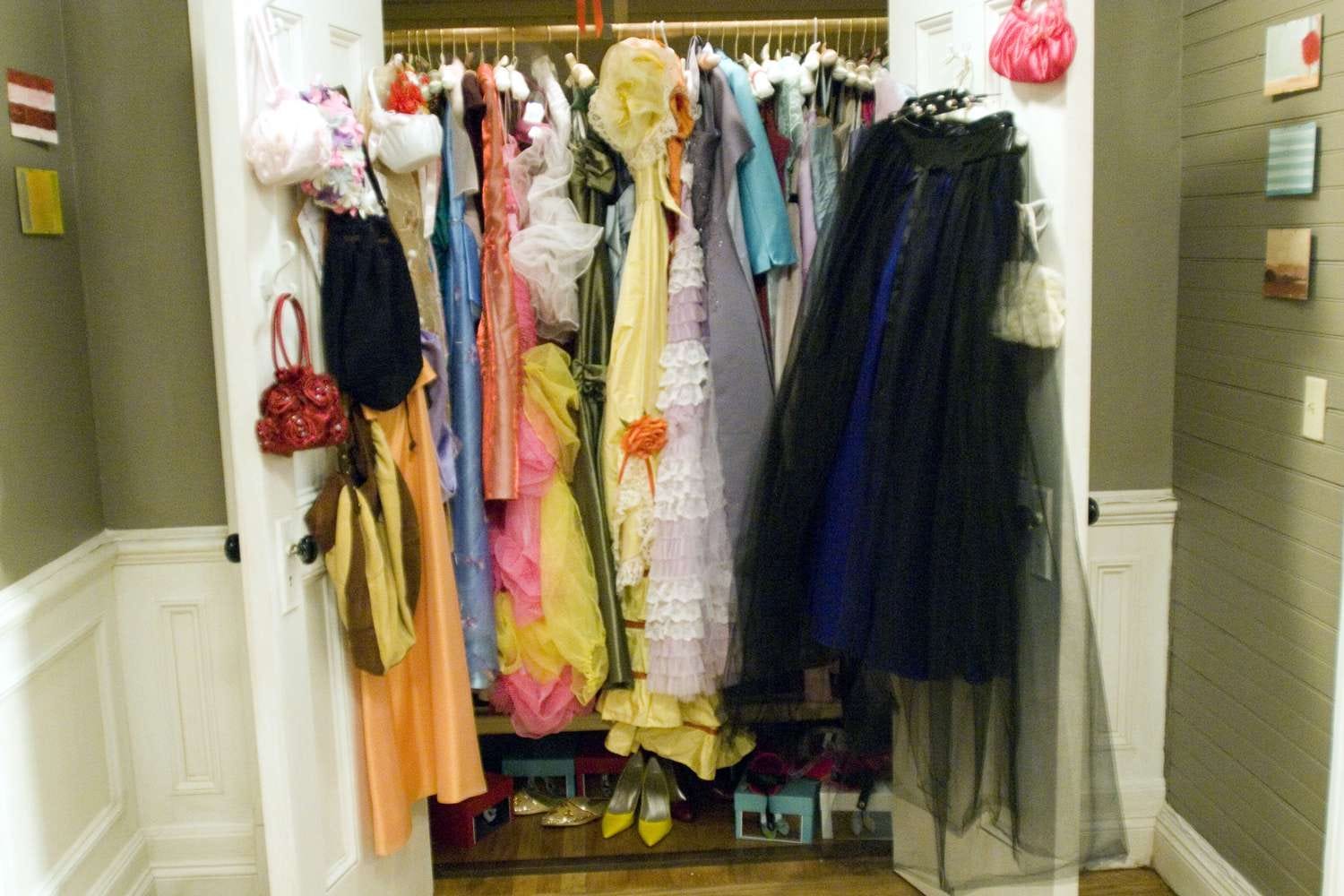
Perhaps the most telling aspect of 27 Dresses is its obsession with weddings rather than marriage itself. Throughout the film, weddings are treated as the ultimate symbol of love, success, and personal fulfillment. The dresses, ceremonies, flowers, and carefully planned details take center stage, while the actual foundation of a healthy relationship, communication, compatibility, trust, and emotional maturity, often feels secondary.
In many ways, the film reflects a broader cultural fascination with the wedding as an event rather than the marriage that follows. We have become accustomed to celebrating the spectacle of love: the perfect dress, the dream venue, the elaborate proposal, and the carefully curated photographs. But the reality is that a beautiful wedding does not guarantee a beautiful marriage.
This is especially evident in Jane’s story. She has dedicated years of her life to helping other women achieve their dream weddings, yet she has spent very little time considering what her own version of happiness looks like. She knows exactly how to plan someone else’s perfect day, but she has never stopped to ask herself what she actually wants beyond becoming someone’s wife.
The irony is that Jane owns twenty-seven bridesmaid dresses, each representing a wedding she helped create, but none of them represent a life she built for herself. Each dress symbolizes a moment where she showed up for someone else while quietly putting her own desires aside.
Perhaps that is the deeper critique of 27 Dresses. The film is not just about a woman searching for love; it is about a woman who has been conditioned to believe that love is something she earns through service, sacrifice, and being indispensable to others. It asks an important question: have we become so focused on the performance of love that we sometimes forget to examine the substance behind it?
7. The Dress Symbolism
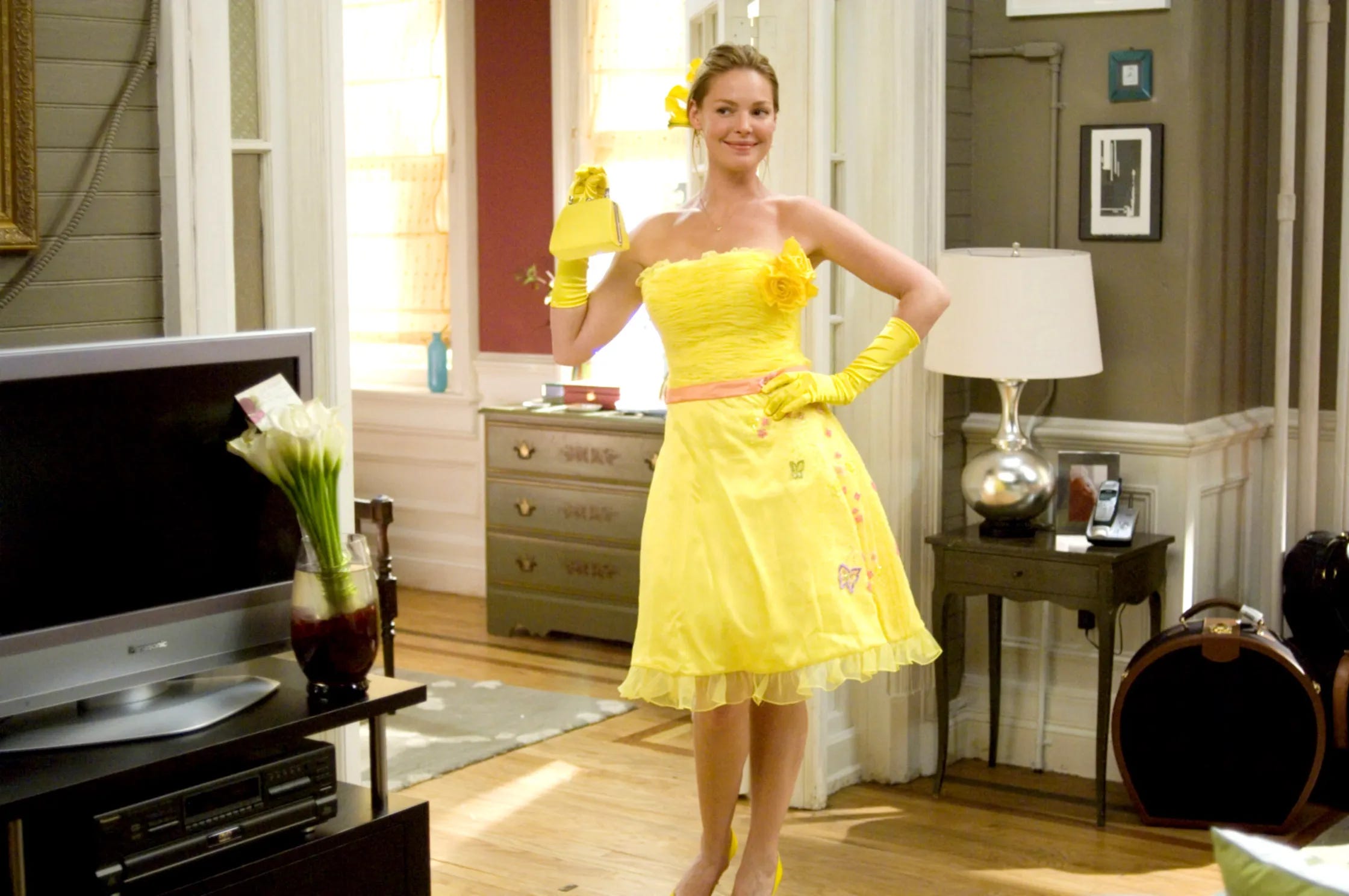
Perhaps one of the most overlooked symbols in 27 Dresses is the dresses themselves. At first glance, Jane’s closet full of bridesmaid gowns is played as a humorous detail, almost a quirky personality trait that makes her character lovable. However, when examined more closely, the dresses represent something much deeper. Each one tells a story of a moment when Jane showed up for someone else, celebrated someone else’s love, and willingly stepped into the background.
The irony is that Jane owns twenty-seven dresses for weddings that were never her own. Each dress represents a different version of herself that she created to support someone else’s happiness. She knows how to be the perfect bridesmaid, the perfect friend, and the perfect helper, but she has spent so much time playing a supporting role that she has forgotten how to be the main character in her own life.
The dresses also symbolize the emotional labor Jane carries. They are physical reminders of every time she organized, planned, comforted, and sacrificed for the people around her. What appears to be a closet full of beautiful gowns is actually a collection of moments where Jane prioritized everyone else’s dreams over her own.
There is something almost tragic about the fact that Jane has dedicated so much energy to creating other people’s perfect wedding days while having no idea what she wants her own life to look like. She has mastered the art of making other women feel special, but she has rarely allowed herself the same attention.
In a way, the dresses represent the many roles women are often expected to play: the supportive friend, the reliable daughter, the selfless partner, and the person who always shows up. The problem is not that Jane is generous. Generosity is a beautiful quality. The problem is that she has confused being needed with being loved.
By the end of the film, Jane is no longer defined by the dresses hanging in her closet. She finally begins to understand that her worth does not come from how much she can do for others, but from who she is when she is not performing a role for someone else.
Perhaps the most meaningful dress in 27 Dresses is not the one Jane eventually wears down the aisle. It is the moment she realizes she never needed a dress to prove she was worthy of being chosen.