
A Generation of Educated Women, Yet Politically Illiterate
Politics Isn't Optional for Women

As someone who recently graduated with a degree in International Relations and spent the last three years studying in Washington, D.C., I have come to a somewhat uncomfortable conclusion:
Women today are more educated than ever before. Yet many of us remain politically illiterate.
Now, before you close this tab, hear me out.
We are earning university degrees at record rates. We are pursuing graduate education. We are building careers, launching businesses, and entering industries that were once inaccessible to the women who came before us.
We have become experts in self-improvement.
We know how to optimize our LinkedIn profiles. We know how to negotiate salaries. We know how to network. We know which internships are prestigious, which certifications are worth pursuing, and which career paths offer the highest return on investment.
But somewhere along the way, many of us missed an equally important education: understanding power.
And by power, I mean politics.
Perhaps I am biased. After all, I spent three years studying international relations in a city where politics is not simply discussed—it is the air people breathe.
Still, it genuinely surprises me how often I hear otherwise intelligent, ambitious women say some version of the same sentence:
“I don’t really care about politics.” Or worse: “I try to stay away from it.”
But why?
Politics certainly does not stay away from us.
Ask a room full of young women applying to business school, and you will receive detailed answers.
Ask the same room how legislation becomes law, how their country’s government functions, or how a proposed policy might affect their lives, and the confidence often disappears.
For example, a 2020 study published by Politico found that men, as a group, were more likely to follow politics closely. Seventy-six percent of male voters actively sought out news and information, compared to 69 percent of female voters.”
I am not going to sit here and say that reading this statement surprised me; it didn’t. But it made me think and reflect about the correlation between female interest and politics.
I am not saying this is because women are incapable of understanding politics. We aren’t. But politics has never been presented to us as something we need to understand. Instead, we are often taught that politics is messy, divisive, and best left to someone else.
I suppose that is why dinner conversational styles vary so greatly between men and women. While men clash over geopolitics, women tend to recalibrate the room’s energy. Often proving that the most profound conversations are the unspoken ones.
As women, we are often encouraged to focus on our own individual successes. Not on the systems that shape our opportunities.
The message toward 21st-century women is clear: be ambitious, work hard, get good grades, build a career, and everything else will take care of itself.
But this is not how the world works. Especially not in 2026.
No amount of personal achievement exempts you from political decisions.
You may not even realize it, but politics influences the cost of your education. It influences the housing and job market you hope to enter. It influences workplace protections, healthcare access, taxes, childcare, immigration policies, and economic opportunities.
It determines far more of our lives than we realize.
The historic 2022 overturning of Roe v. Wade, in 2022, where the U.S. Supreme Court rescinded a five-decade-old right to abortion, has affected millions of women throughout the United States. An estimated 25 million women of childbearing age reside in states with immediate abortion bans and severe restrictions.
The irony is that many women can tell you the entire history of a celebrity feud but cannot name their elected representative.
We spend hours researching Korean skincare, trendy destination spots, and job opportunities, yet we make no time to understand the institutions that govern our daily lives.
Again, this is not a criticism of women. This article is a mere criticism of a culture that has historically encouraged women to consume information while actively discouraging them from engaging with power.
For years, empowerment has been marketed to women as a personal project. Buy the course. Build the brand. Perfect the morning routine. Become the best version of yourself.
While there is nothing wrong with self-improvement, it has increasingly replaced civic engagement. We have replaced ‘personal development’ with ‘empowerment’.
The two are not the same thing. A woman can have an impressive résumé and still know very little about the forces shaping her future.
She can be highly accomplished and politically disengaged. She can be educated without being politically literate.
That distinction matters.
Because history has shown that rights are not permanent. Opportunities are not guaranteed. Progress is not inevitable.
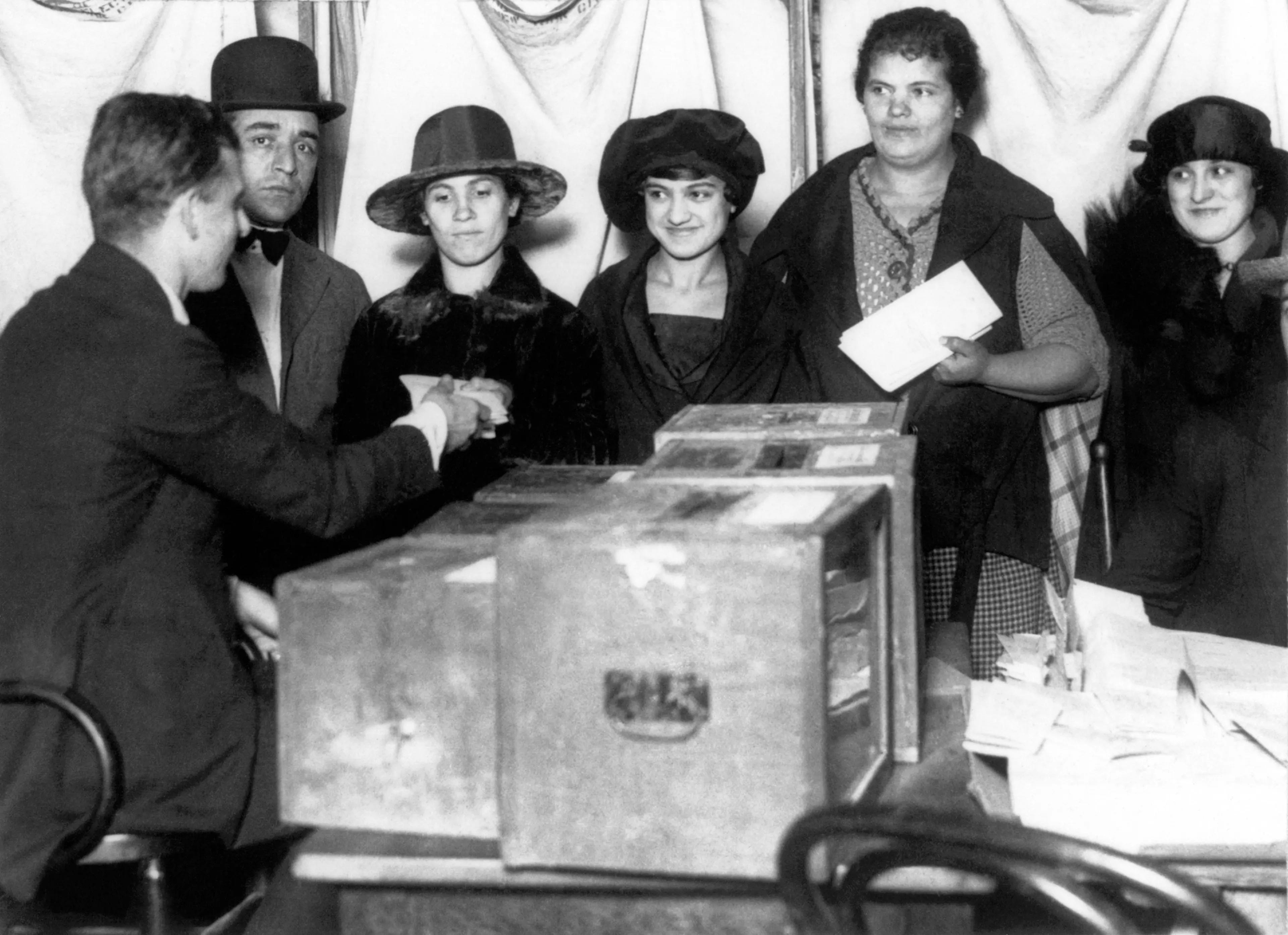
Every freedom women enjoy today exists because previous generations understood the importance of political participation.
They organized. They advocated. They paid attention.
They understood that power matters.
Somewhere along the way, many of us inherited the benefits of those efforts without inheriting the same sense of responsibility.
Political literacy does not mean spending every waking hour reading policy papers.
It does not require becoming a political commentator or an activist. It simply means understanding the systems that affect your life.
Knowing who makes decisions. Knowing how those decisions are made. Knowing enough to recognize when someone is trying to manipulate you.
Most importantly, it means recognizing that politics is not a niche interest. It is not a hobby for people who enjoy arguing online. It is one of the most important forces shaping our future.
We live in an era when young women are extraordinarily educated. The question is whether we are educating ourselves about the right things. Because a generation of accomplished women that does not understand power will always be at a disadvantage compared to those who do.
very nice